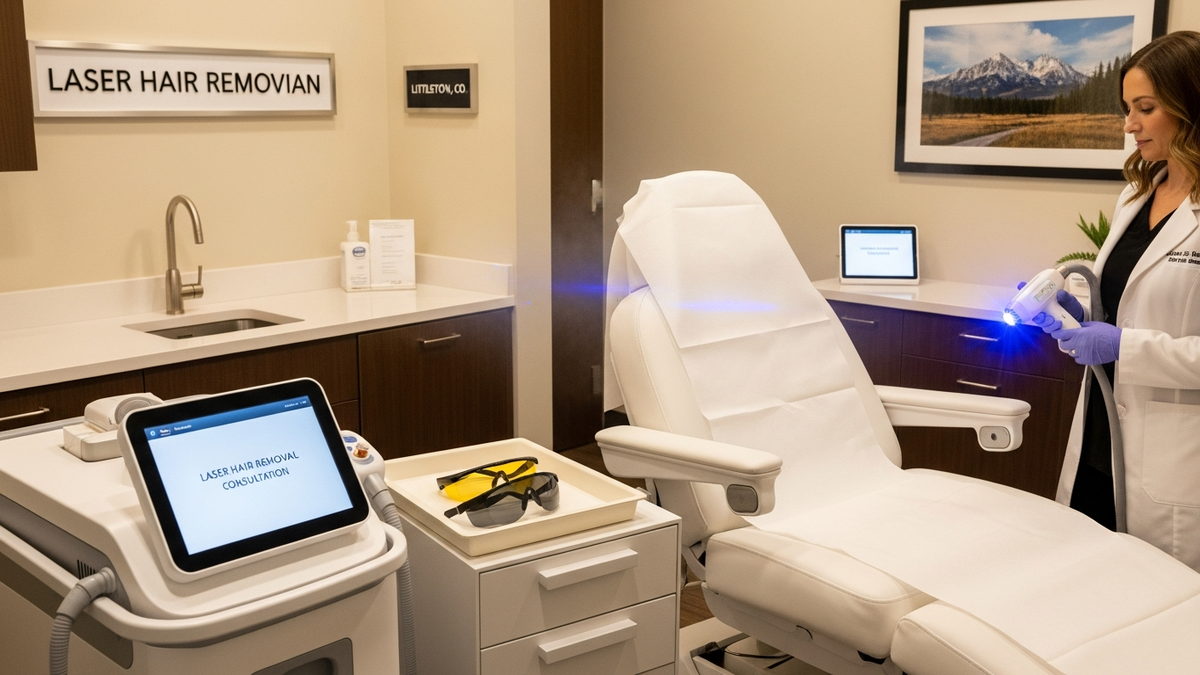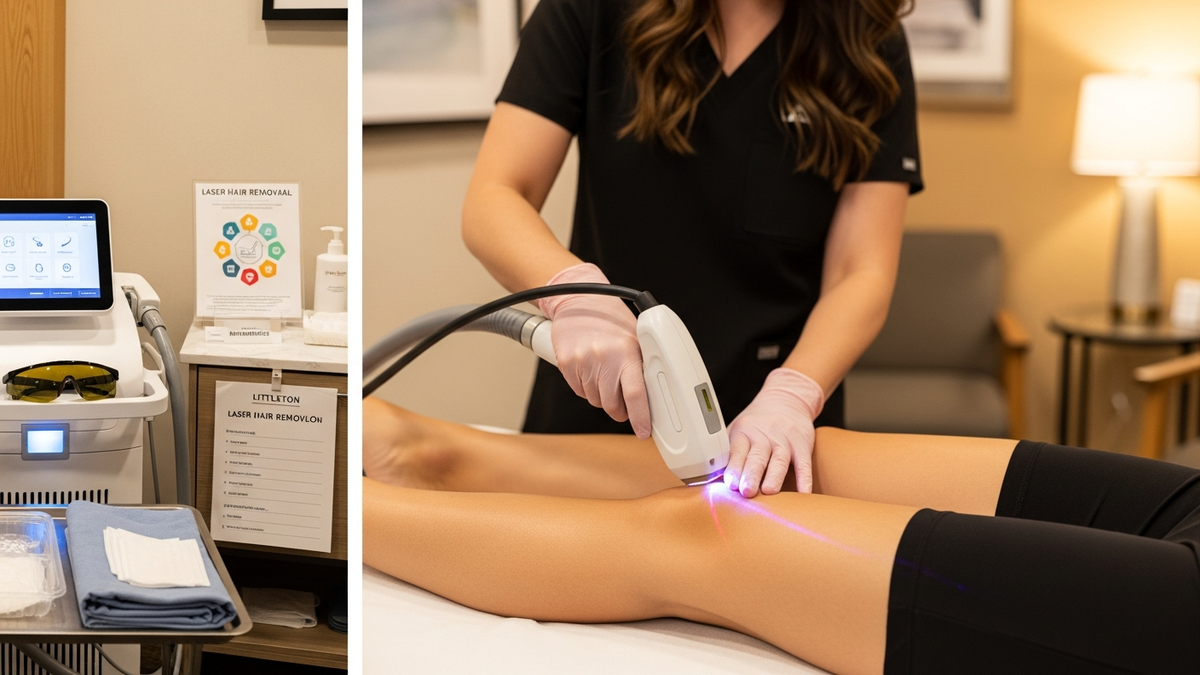
Thinking about littleton laser hair removal and want clear, trustworthy answers before you book? You’re in the right place. Laser hair removal is a modern, non-surgical option that targets hair at the root using focused light energy—reducing unwanted hair over time and helping many people feel more confident in their skin.
In this FlowGeniQ Digest guide, you’ll learn what the process looks like in real life, how many sessions are typically needed, how to prepare, and what aftercare supports the best results—especially for clients in Littleton, Colorado. You’ll also see how a medical spa approach (rather than a one-size-fits-all package) can make a meaningful difference.

What Is Littleton Laser Hair Removal?
Laser hair removal is an aesthetic procedure performed in a controlled clinical setting to reduce unwanted hair. The device emits a specific wavelength of light that is absorbed by pigment in the hair shaft. That energy is converted into heat near the hair follicle, which can slow future hair growth.
Unlike shaving or waxing, laser treatments are designed to work with the body’s hair growth cycle. That’s why most people don’t see full results after a single session—planned follow-ups are essential.
Who Is a Good Candidate?
Typical candidates
Most adults who want long-lasting hair reduction are good candidates, including people who:
- Have unwanted hair on the face, underarms, legs, arms, bikini area, back, or chest
- Prefer a medical approach over frequent waxing or daily shaving
- Want smoother skin with fewer disruptions to their routine
Skin and hair considerations
Laser hair removal works best when there is enough contrast between hair pigment and surrounding skin. However, modern technology and professional protocols can still be helpful for many skin types when properly matched.
At a medical spa, your provider should evaluate your hair color, skin tone, and medical history and then recommend a plan that prioritizes safety and natural-looking results.
When to be extra cautious
If you have active skin infections, recent tanning or sunburn, or certain skin conditions, you may need to postpone treatment. A thorough consultation helps determine readiness and reduces the risk of irritation.
How Laser Hair Removal Works With Hair Growth Cycles
To understand why you’ll likely need multiple visits, it helps to know the hair growth cycle. Hair follicles move through phases, and laser energy is most effective when hair is in an active growth stage.
Why multiple sessions matter
Because not every hair is in the ideal stage at the same time, clinics schedule treatments at intervals that “catch” more hairs as they cycle through growth. This is why many clients plan a series rather than expecting immediate, permanent disappearance.
What results can look like
Many clients experience:
- Gradual reduction in hair density
- Finer, lighter regrowth over time
- Longer periods between hair removal routines
Individual outcomes vary based on hair thickness, genetics, hormonal factors, and how consistently sessions are completed.
Littleton Laser Hair Removal: Areas We Commonly Treat
Laser hair removal can be used on many body areas. Your provider will tailor settings based on location, skin sensitivity, and hair characteristics.
Popular treatment areas
- Face: upper lip, chin, cheeks, sideburn area
- Underarms: for smoother, lower-maintenance routines
- Arms and legs: for longer-lasting smoothness
- Bikini: including bikini line and more tailored shaping options
- Back and chest: for men and women seeking reduction
Comfort and customization
Different areas have different levels of sensitivity. A professional plan may include numbing options, cooling strategies, and careful energy selection to support comfort while protecting skin.
How Many Sessions Will You Need?
One of the most common questions we hear is: “Will hair disappear after one session?” In most cases, the answer is no. Because hair grows in cycles, multiple sessions are generally needed to see meaningful, lasting reduction.
Typical session ranges
While every plan is individualized, many clients require a series that may range from several sessions to a broader multi-visit plan depending on:
- Treatment area (face vs. legs vs. bikini)
- Hair thickness and color
- Skin tone and how your skin responds
- Consistency with scheduled appointments
- Hormonal influences (for example, changes over time)
Practical tip: Ask your provider how they decide your interval and when they adjust your settings. A transparent plan helps you stay confident and manage expectations.
What Does Preparation Look Like?
Preparation is one of the easiest ways to improve comfort and support results. Your clinic should provide a personalized checklist, but these are common preparation themes.
In the days leading up to your appointment
- Shave before treatment: Many clinics recommend shaving 12–24 hours prior so the laser targets the follicle effectively.
- Avoid tanning: Sun exposure can increase risk of irritation and affect energy absorption.
- Skip plucking/waxing: Laser works best when follicles are intact, so waxing and plucking are usually avoided before sessions.
- Review skincare products: Some actives (like strong exfoliants) may need to be paused temporarily.
Why professional guidance matters
Skin is not one-size-fits-all. A medical spa can match your treatment settings to your skin’s needs and help you avoid avoidable setbacks—especially if you’re balancing work, events, and Colorado sun habits.
What Happens During a Laser Session?
Here’s what you can generally expect during a typical appointment at a medical spa:
Step-by-step overview
- Consultation and assessment: Your provider confirms the area, reviews your goals, and evaluates skin and hair characteristics.
- Preparation: The area is cleaned, and protective eyewear is used for safety.
- Laser treatment: The device is applied in controlled passes. Many clients describe the sensation as a warm snap or mild heat.
- Cooling and comfort support: Cooling strategies may be used to reduce discomfort.
- Aftercare instructions: You’ll receive guidance on what to do (and avoid) in the days after treatment.
If you’re also exploring other cosmetic treatments, many clients appreciate that a clinic can coordinate skin health strategies. For example, some people combine hair reduction with broader skin rejuvenation planning.
In fact, if you’re comparing options beyond laser hair removal, you may want to understand other injectable or skin-focused services available at the same clinic—like Botox, Dysport, Letybo, & Jeuveau or Dermal and Lip Fillers—so your overall aesthetic plan stays cohesive.
Aftercare: How to Support Smooth, Healthy Skin
Aftercare helps reduce irritation and supports the skin’s recovery process. Your provider will give specific instructions, but common aftercare includes:
First 24–72 hours
- Use gentle skincare and avoid harsh exfoliation
- Skip hot showers, saunas, and intense workouts if your skin feels sensitive
- Apply recommended soothing products (often based on your clinic’s protocol)
Following days
- Prioritize sun protection (SPF and protective clothing)
- Keep the treated area moisturized
- Avoid tanning and direct sun exposure as advised
What’s normal vs. what needs attention
Temporary redness or mild swelling can occur. However, severe blistering, intense pain, or unusual changes should be evaluated promptly by a qualified professional.
Results Timeline: When Will You See a Difference?
Laser hair removal is gradual. Many clients notice changes within the first few weeks, but the most meaningful reduction typically comes as you complete a planned series.
A realistic expectations framework
Here’s a helpful way to think about timing:
- Early phase: Some shedding or reduced regrowth may appear as hair cycles respond.
- Mid series: Hair tends to look finer and grow back more slowly.
- After completing sessions: Many people enjoy long-term reduction and fewer routine maintenance needs.
Your provider can help you interpret what you’re seeing and whether your plan needs adjustments.
How Much Does Littleton Laser Hair Removal Cost?
Pricing varies based on treatment area, session count, and device/settings. In most cases, clinics price per session, offer package options, or provide customized plans after assessment.
What influences cost
- Area size: larger areas often require more time and energy delivery
- Hair density and thickness: thicker hair may require more sessions or careful parameter selection
- Skin type and sensitivity: comfort and safety protocols can influence treatment approach
- Number of sessions: a personalized plan is more accurate than a generic estimate
Budget tip: Ask about what’s included—like consultation, aftercare guidance, and any comfort supports—so you can compare options fairly.
Laser Hair Removal vs. Shaving and Waxing
Many people start with shaving or waxing because they’re convenient. But the long-term maintenance burden can add up, and some people experience irritation, ingrown hairs, or rough texture.
Comparing outcomes
- Shaving: quick, but regrowth can feel stubbly and frequent
- Waxing: longer-lasting than shaving for some, but can be painful and may increase irritation
- Laser hair removal: aims for long-term reduction by targeting follicles through hair cycles
For many clients, the “why” is simple: fewer maintenance sessions and smoother skin over time.
Safety, Technology, and Why a Medical Spa Approach Helps
Laser hair removal is widely used, but safe results depend on proper device settings, professional assessment, and careful aftercare. A qualified med spa will evaluate skin and hair characteristics and adjust treatment parameters accordingly.
Evidence-backed context
According to the U.S. Food and Drug Administration (FDA), laser devices used for hair removal require proper use and safety precautions, and the effectiveness and risks depend on the specific device and the match between laser wavelength and hair/skin characteristics (see FDA guidance on laser products).
Additionally, a review published in Dermatologic Surgery has discussed how laser hair removal outcomes vary with hair and skin type and why multiple sessions are typically required due to hair growth cycles (see PubMed literature on laser hair removal for research indexing).
Frequently Asked Questions
Will hair disappear after one session?
In most cases, no. Hair grows in cycles, so laser hair removal typically requires multiple sessions to target hair during active growth stages.
Is littleton laser hair removal painful?
Many clients describe a mild, warm snapping sensation rather than severe pain. Your provider may use cooling strategies or other comfort techniques depending on the area and your sensitivity.
How should I prepare for my appointment?
Common prep includes shaving the treatment area about 12–24 hours before and avoiding tanning or waxing/plucking beforehand. Your clinic should provide a detailed checklist tailored to your skin and goals.
What aftercare helps results last longer?
Most aftercare focuses on soothing the skin, avoiding harsh exfoliants, and using sun protection. Following your provider’s guidance can help reduce irritation and support the best possible outcome.
Can laser hair removal treat sensitive areas like bikini?
Yes, many clinics treat bikini areas with careful settings and comfort protocols. A consultation helps determine suitability and defines the safest approach for your specific skin type.
How to Choose the Right Provider in Littleton
Choosing a provider is about more than price. It’s about safety, experience, and the ability to personalize your plan.
What to look for
- Medical oversight and expertise: ask who performs the treatment and how your settings are determined
- Clear session planning: you should receive guidance on intervals and what results to expect
- Comfort and safety protocols: cooling, protective measures, and aftercare instructions matter
- Honest communication: a good provider explains limitations and adjusts expectations based on your hair/skin type
Why clients in Littleton trust Beauties & Beasts Med Spa
For clients looking for a professional, personalized experience, Littleton's #1 Medspa offers a medical spa environment designed around safety and natural-looking outcomes. Led by Dr. Danielle Sanders DNP-C, Beauties & Beasts Med Spa focuses on individualized care plans and modern techniques.
And if your goals extend beyond hair removal—such as skin tightening or body contouring—your provider can also discuss complementary options like Body Contouring to align your aesthetic priorities.
Pairing Hair Removal With Broader Aesthetic Goals
Many people don’t treat hair removal as a standalone goal. They’re working toward an overall confidence and skin-health routine. If you’re also considering other services, it’s helpful to coordinate timing so your skin can recover appropriately.
Examples of complementary goals
- Skin rejuvenation: addressing texture and glow while hair reduction sessions progress
- Injectables: planning facial treatments around your schedule for comfort and healing
- Hair restoration: if you’re also exploring regrowth solutions, ask about Hair Regrowth Solutions
At FlowGeniQ Digest, we encourage clients to think in terms of an integrated plan—because your skin is one system, and your outcomes are improved when your provider considers the whole picture.
What to Ask During Your Consultation
A strong consultation turns uncertainty into a plan. Here are high-value questions to bring to your appointment:
- Which laser settings will you use for my hair and skin type?
- How many sessions do you estimate for my specific goals?
- What interval will you schedule between visits?
- What should I do to prepare, and what should I avoid?
- How will you measure progress and adjust the plan if needed?
Quick Statistics and What They Mean for You
Laser hair removal is widely researched, and outcomes depend on matching technology to hair/skin characteristics. Here are a few data points that help frame expectations:
- Multiple sessions are typical: Clinical literature commonly notes that several treatments are required because hair follicles cycle through growth phases. According to research indexed through PubMed, treatment intervals and the number of sessions vary by hair growth cycle and target area.
- Safety depends on correct device use: The FDA emphasizes that laser products require proper operation and that risks can increase with incorrect use or poor device-to-skin matching. According to FDA guidance on laser products, safety precautions are essential for both effectiveness and risk reduction.
- Individual variability is normal: Published reviews describe outcomes varying with hair color, skin tone, and hormonal factors. According to dermatology research discussed in PubMed-indexed literature, personalization is key for best results.
Bottom line: if someone promises instant, one-and-done permanence, be cautious. A professional plan focuses on realistic, measurable progress.
If you’re ready to explore littleton laser hair removal with a personalized plan, schedule a consultation with Beauties & Beasts Med Spa.
Contact UsTalk with Dr. Danielle Sanders DNP-C about your goals, treatment areas, and what a safe timeline could look like for you.
Professional Disclaimer
This content is provided for general educational purposes only by FlowGeniQ Digest. It is not a substitute for professional advice, diagnosis, or treatment. Readers are advised to consult qualified professionals for personalized recommendations.
Medical Information Disclaimer
This content is provided for general educational purposes only by FlowGeniQ Digest. It is not a substitute for professional advice, diagnosis, or treatment. Readers are advised to consult qualified professionals for personalized recommendations.